



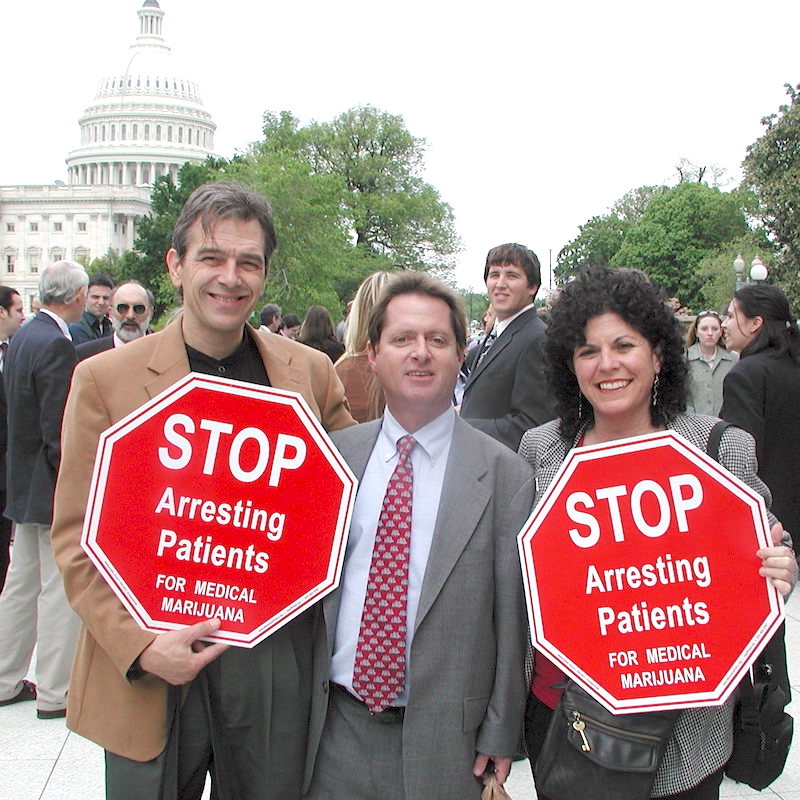
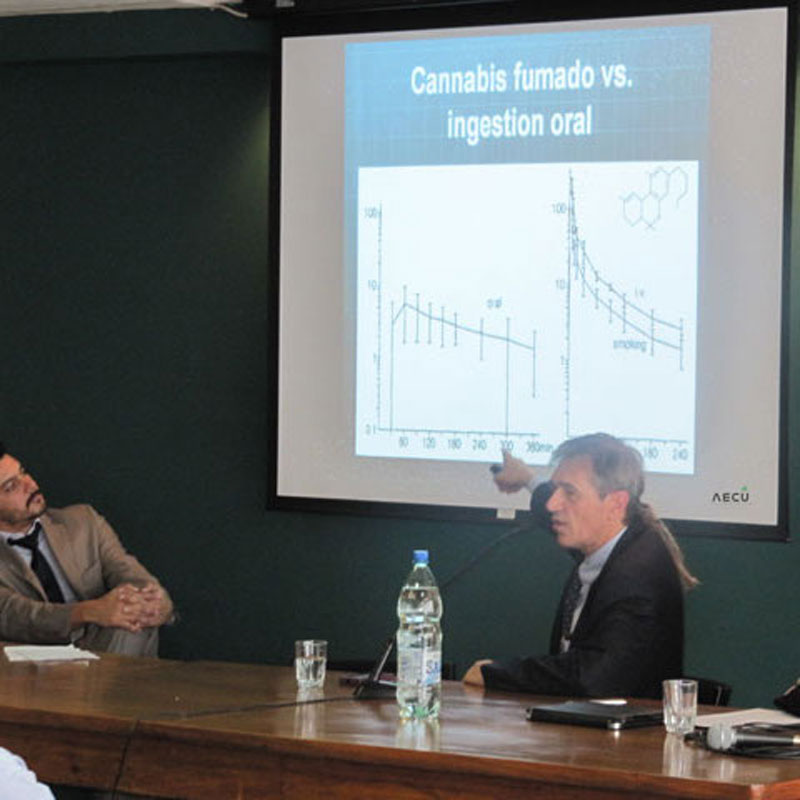
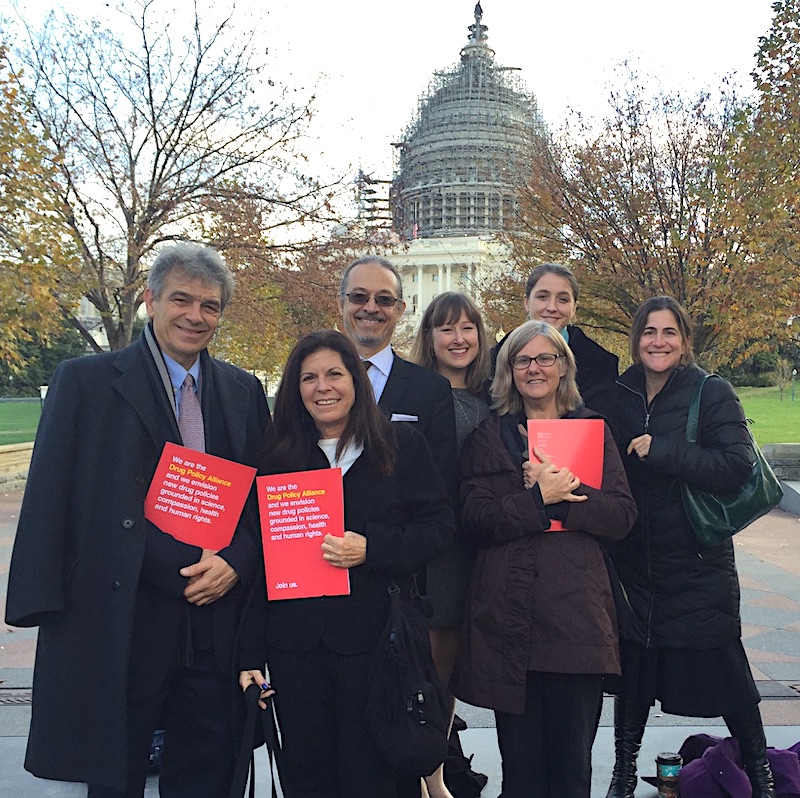
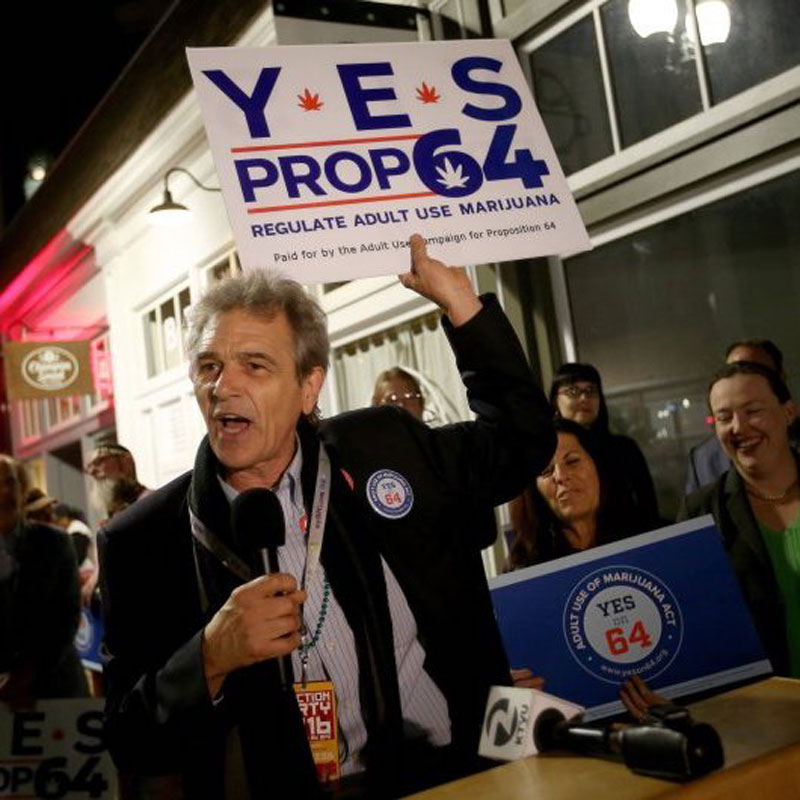
Chris Conrad is a well known author, consultant, public speaker, cannabis expert witness, museum curator and internationally respected authority on cannabis, industrial hemp, medical marijuana, cultivation, garden yields, processing, dosages, commercial intent, personal use and cannabis culture. He teaches at Oaksterdam University and the International Pharmacological Academy and has given numerous presentations for continuing legal education (CLE) and continuing medical education (CME) programs.
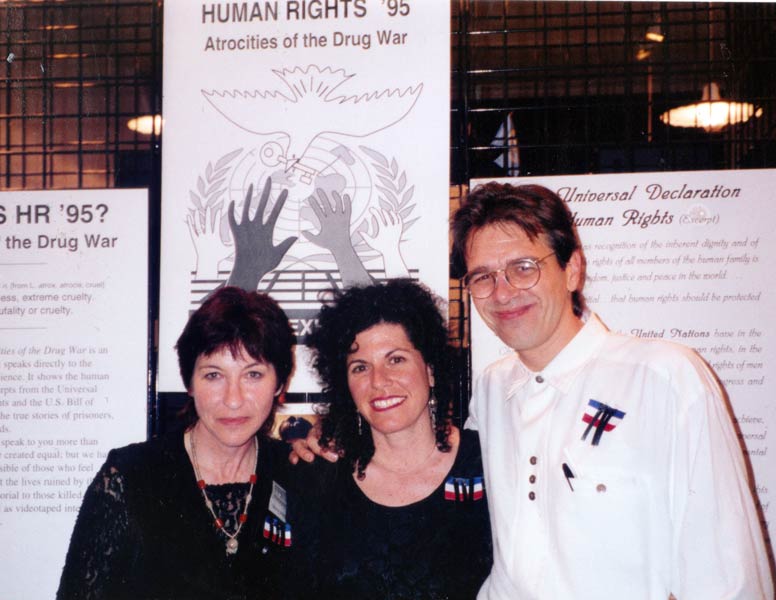
As an expert witness, Chris has given testimony which has helped to shape California medical marijuana law. Click here for important legal information regarding medical cannabis in California and beyond. He is married to prominent human rights activist Mikki Norris.
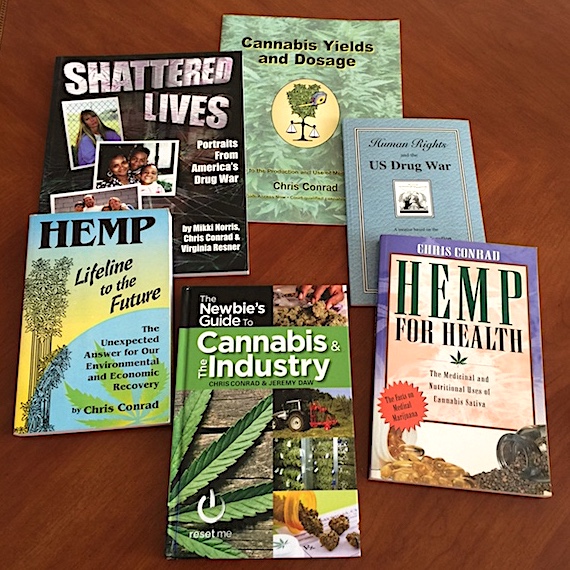
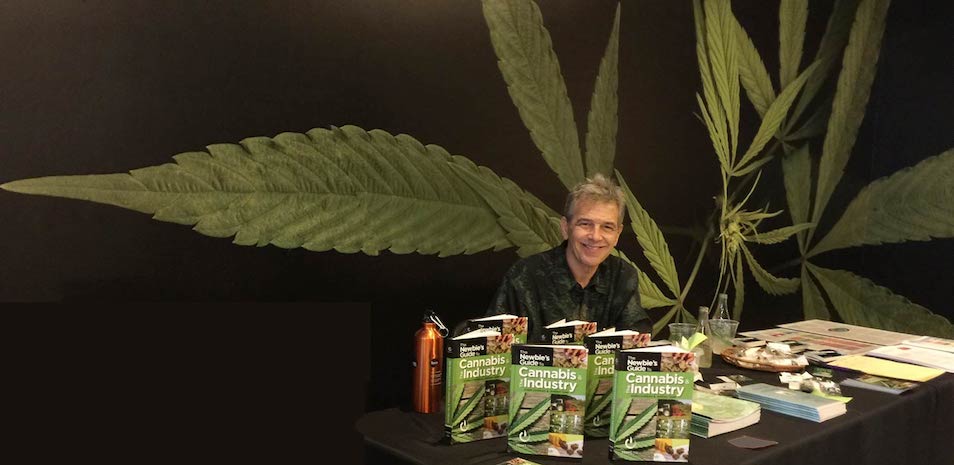
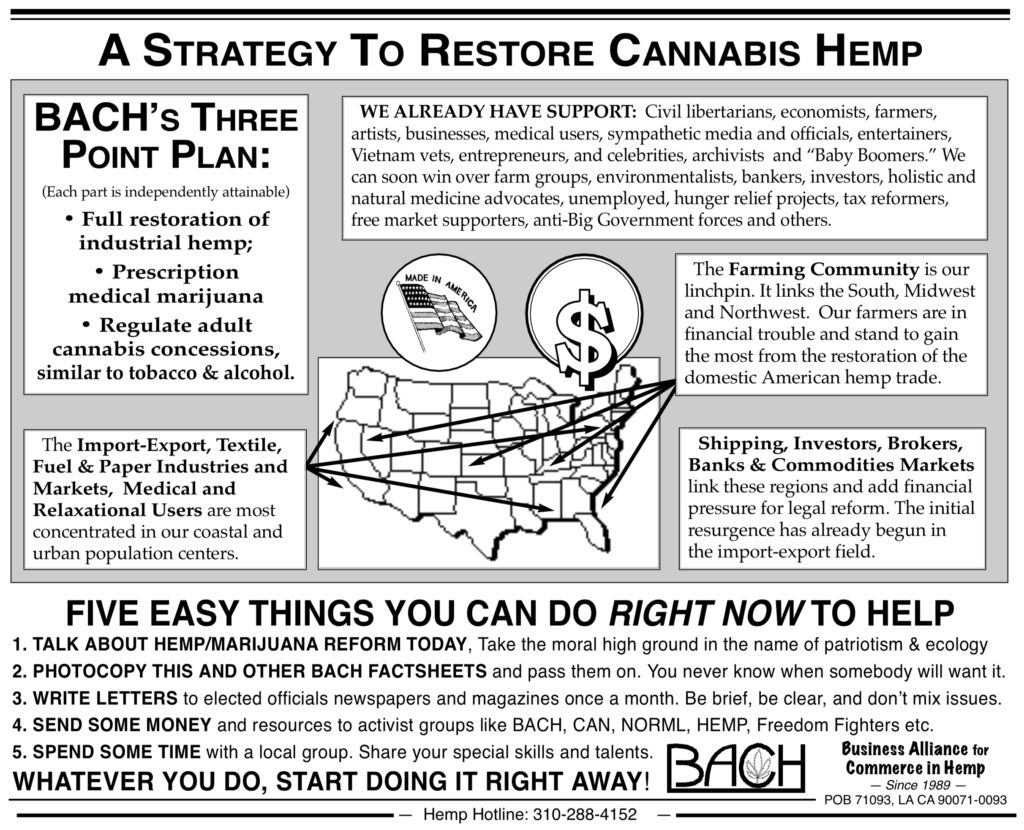
Chris Conrad founded the Business Alliance for Commerce in Hemp, the Family Council on Drug Awareness and the American Hemp Council in 1989. He is author of Hemp: Lifeline to the Future (1993), Hemp for Health (1997), co-author of Shattered Lives: Portraits From America’s Drug War (1998) and Human Rights and the U.S. Drug War (2001), author of Nostradamus and the Attack on New York (2002), Cannabis Yields and Dosage (2005, revised 2015) and now co-author of The Newbie’s Guide to Cannabis and the Industry(2015). He also designed, edited and did extensive writing for Jack Herer’s book, The Emperor Wears No Clothes (1990). His newest book is The Newbies Guide to Cannabis and the Industry, with Jeremy Daw.






I recommend that you buy CBD oil for pain from Royal CBD. Also check out their CBD gummies which are a convenient way to dose CBD on the go, available in 10mg and 25mg. For those with arthritis and joint pain, the best selling CBD cream is what I recommend for help with aching joints and lower back pain. It’s no wonder why Royal CBD was chosen as the best CBD oil by reviewers all over the world, making it the most popular hemp oil for sale today. The full collection of CBD products is available for sale online at RoyalCBD.com.